
Biological Sciences


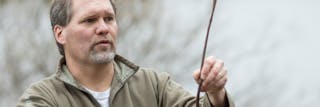
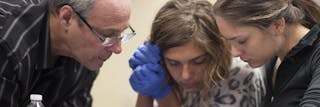
Biology is about more than studying living things. It’s about discovering meaning in the fabric of life.
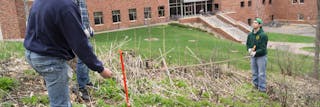
The Department of Biological Sciences prepares graduates who make world-shaping discoveries and understand the relationship between their faith and biology. Through experiences in the lab, field, and classroom, you’ll explore the grand diversity of living things and embrace our call to care for all of creation.
Majors, Minors, and Programs
Recent News
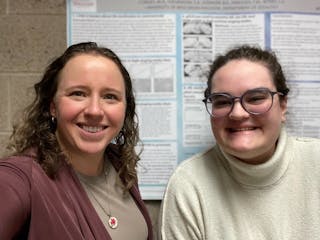
Lessons from a bird brain
April 15, 2024 | 9:15 a.m.
Upcoming Events
MAY 11 2024
1:30 p.m. Brushaber Commons Atrium
Come support and celebrate our Bethel Science students! Find out about their research and internships during their presentations at our Science Research symposium.
Studying the Breadth of God’s Creation
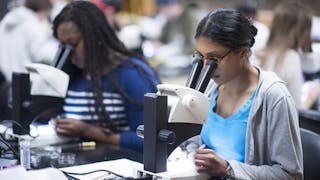
The biology program at Bethel gives students the space and tools to investigate the wonder and intricacies of life. You’ll prepare for careers on the cutting edge of biology by building a foundation in a range of fundamentals, such as genetics, ecology, cell biology, anatomy/physiology, microbiology, botany, and biochemistry. Have your pick of specialized areas of study including immunology, aquatic biology, animal behavior, molecular biology, neurobiology, wildlife management, and developmental biology. Through investigative work in the classroom, field, and lab, biology students are prepared to be Christians immersed in scientific discovery, ready to make a difference in their chosen fields.
4
National awards for Biology Honor Societies
224
biology grads accepted into health-related professional schools in past 10 years
Program Highlights
Integration of science and faith
You’ll cultivate a deeper understanding of God’s character, nature, and being through the thoughtful study of His creation.
We do science
At Bethel, we’re not content to just learn about science from a textbook. We also do science in fully equipped facilities, including a human cadaver lab, biotechnology lab, greenhouse, and 260 acres of outdoor laboratories.
Collaborative student research
Design and complete a research project with a professor, and possibly receive a summer scholarship for your work. Many biology students have presented their research findings at regional and national scientific conferences, with several earning top honors.
Outstanding faculty mentoring
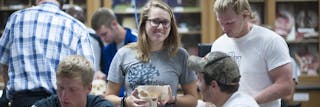
Unlike large universities where professors teach only large lectures, Bethel biology professors work with students in classes and labs. Meeting face-to-face with students in these contexts provides for significant student/faculty interaction. Their expertise and work across diverse subdisciplines offer interdisciplinary preparation for students.
Study on location
Study in the rainforests and mountains of mainland Ecuador, the reefs of the Galapagos Islands, or in New Zealand as part of the Creation Care Study Program. You can also choose off-campus study programs like the Au Sable Institute of Environmental Studies with locations in Michigan, Florida, Washington state, and India.
Gain practical experience
Bethel biology students intern at well-known institutions, including the Mayo Clinic, Minnesota Zoo, Minnesota Department of Natural Resources, McNeely Conservatory, The Wolf Project, Medtronic, R&D Systems, and the National Institutes of Health.
Student clubs and organizations
Join one of the many clubs tied to the biology department to engage socially and professionally in your chosen field:
- Creation Restoration Club
- Pre-Med Club
- TriBeta national biology honor society chapter—awarded the national Chapter Excellence and Outstanding Chapter awards four times in its history
- Sigma Zeta, an all-science honor society that hosts several national conventions
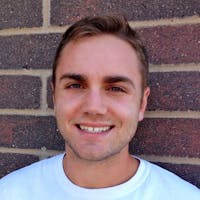
While working with the Conservation Corps, I found that Bethel's Environmental Studies program gave me a lot more experience and made me more well-rounded than many of the other environmental studies students.
Kevin Berens '13Current job: Park Overseer, Parks and Trails Division of Minnesota DNR
The biology department was integral in getting me where I am today. It provided research opportunities, unique experiences such as interim in the Galapagos Islands/Amazon Rainforest/Ecuador, personal relationships with professors, and the academic foundation to smoothly transition to medical school.
Nate Paulson '10Currently: University of Virginia Anesthesiology Resident; received M.D. from University of South Dakota, Sanford School of Medicine
The neuroscience program taught me a lot of valuable, hands-on, and applicable lab skills that graduate students—and even post-doctoral students—have not gotten a chance to practice and learn yet.
Elizabeth Dao ’20
I’m going to graduate from Bethel having done things that I would have never thought I could do, and research was a big one.
Maria Pecoraro ’19University of Minnesota Medical Center
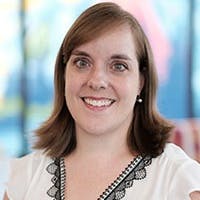
Research definitely gave me the confidence that I have something that I can contribute and something that shows too that I’m willing to work hard to get the results. And it sort of opened the door for a lot of things in my life.
Jennifer Berger. ’07Children’s Minnesota
What I deeply enjoyed about the neuroscience program is the open minded environment. I loved how we were able to have conversations that weren't typical in the faith community or the science community, but delved into both.
Alexa Hanowski '20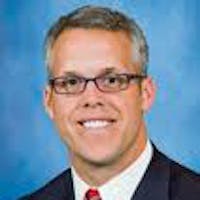
My foundational education at Bethel really influenced my choice to pursue academic medicine instead of just clinical care. I’m so appreciative of the professors and their gift of incredible dedication to their students, while always giving God the glory!
Jonathan Eliason '92Current Job: S. Martin Lindenauer Collegiate Professor of Vascular Surgery; Co-Director, CVC-Multidisciplinary Aortic Program; Associate Professor of Surgery, University of Michigan

I was well-prepared to do a lot of work, and Bethel’s arduous biology and chemistry classes helped me understand the foundations of science really well.
Rachael Goldsmith ’19Hennepin Healthcare
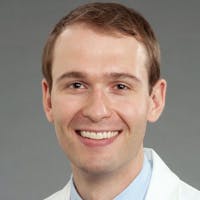
The people at Bethel helped me determine the kind of person I wanted to be, before I knew what kind of doctor I would be. Bethel’s influence is essential to my work as a future physician and follower of Jesus.
Brett Einerson '06Current Job: Resident Physician at Northwestern University, Feinberg School of Medicine
It's difficult to overstate the significance of the Bethel neuroscience professors and program in my life trajectory. You may find brilliant neuroscientists at any number of universities; however, you'd be lucky to find the degree of care and intentionality—combined with brilliance—that I found in my Bethel professors.
Rachel Wahlberg ’19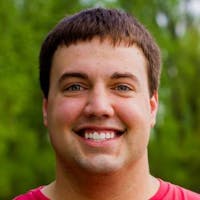
The Environmental Studies program prepared me as a well-rounded student. I gained the field skills to study ecology, and also the ethical perspectives behind environmental stewardship. The professors are knowledgeable and passionate, which is passed on to their students.
David Petry '13Grad School: M.S. in Biological Sciences at Eastern Illinois University
My favorite part of Environmental Studies courses was hands-on lab experience outside, connecting classroom learning to nature. Creation Restoration was a great way to put our coursework into practice on campus. Bethel's Environmental Studies program equipped me to steward Creation.
David Petry '13Grad School: M.S. in Biological Sciences at Eastern Illinois University
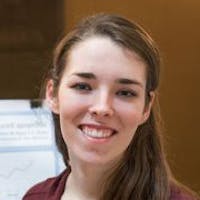
My college experience not only gave me the knowledge I needed to pursue a career in medicine, but also provided me with opportunities to gain real-life skills that increased my confidence as both a researcher and a Christian. Having this experience in a Christian environment allowed me to learn with others who share similar core values and reminded me that faith can exist in every aspect of our lives.
Hannah Manion '18Having a good relationship with your professors and classmates makes a world of difference. My experience was greatly improved by knowing I had professors that cared for me as a whole person not just a student. Having classmates to lean on and discover cool neuroscience things together just added to the fun that neuroscience in general provides.
Shannon McCollough ’20What can I do with a biology degree?
Biology students prepare for professional careers in a variety of industries and graduate programs ranging from medicine to forensic science to ecology.
Careers
Biology graduates pursue careers in the following fields:
- Medicine (M.D.)
- Osteopathic medicine (O.D.)
- Dentistry
- Veterinary medicine
- Pharmacology
- Pharmacy
- Podiatry
- Cell/molecular biology research
- Cytogenetics
- Genetics research
- Neuroscience
- Optometry
- Physician assistant
- Physical therapy
- Occupational therapy
- Chiropractic medicine
- Education (elementary, secondary, university)
- Environmental monitoring
- Restoration ecology (management of natural resources)
- Wildlife biology
- Zookeeping
- Environmental education
Graduate Fields
Our alumni study:
- Medicine
- Dentistry
- Pharmacy
- Physical therapy
- Chiropractic
- Osteopathy
- Other allied health professions
- Anatomy
- Ecology
- Genetics
- Physical chemistry
- Forensic science
- Molecular biology
- Molecular plant sciences
- Animal physiology
- Water resources
- Public health
- History of science
Graduate Schools
Our alumni attend:
- University of North Carolina
- Wake Forest University School of Medicine
- Northwestern University, Chicago
- Penn State University
- Michigan State University
- University of Minnesota
- Harvard
- Yale
- Loyola
- Purdue University
- University of Chicago
- Mayo Clinic College of Medicine and Science
- Howard University
- Washington State University