
Biblical & Theological Studies

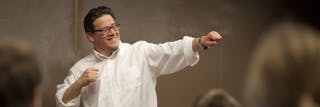





Study the Bible and theology. And in the process, find yourself transformed.
The Department of Biblical and Theological Studies builds on a strong biblical foundation that prepares you to serve and lead capably and knowledgeably. But we don’t stop there. Beyond biblical knowledge, you’ll experience deep spiritual and personal transformation as you integrate your faith into everything you do.
Majors, Minors, and Programs
| Biblical & Theological Studies | Major | Minor | |
| Gender Studies Minor | Minor | ||
| Missional Ministries | Major |
Recent News

From probation to an RA and a Bethel leader
January 12, 2024 | 1 p.m.

A Match Made at Festival of Christmas
November 29, 2023 | 10:20 a.m.
Upcoming Events
See yourself at Bethel—join us for one of our in-person or virtual events!
More Events
Be transformed. Transform the world.
Biblical and Theological Studies graduates are prepared to serve and lead in all kinds of settings, at home and overseas, in business or nonprofits, in parachurch or traditional church settings, serving youth, preaching, teaching, or planting churches. And we provide you with a strong foundation for entering competitive graduate and seminary programs after graduation.

150
students in the department
8
full-time professors in the department
Program Highlights
Spiritual transformation
Beyond expanding your knowledge of the Bible, you’ll grow in your personal faith as you learn to integrate it into everything you do.
Leadership preparation
Our graduates serve in leadership positions at home and abroad, in churches, schools, business, missions, and nonprofits.
Seminary and grad school placement
Our program focuses on strong scholarship and rigorous theological study. You’ll be fully prepared for graduate education, including study at Bethel Seminary if you so choose.
Expert faculty
Our professors are respected scholars, speakers, and writers. Our small class sizes allow you to know them, be mentored by them, and collaborate with them on significant research projects.
Global engagement
Study abroad in Israel, Turkey, Greece, Cambodia, or Ireland and take classes in World Christianity to understand the church in a global context. Travel on missions trips to locations worldwide.
Plentiful ministry opportunities
Hone your ministry skills as a leader in opportunities like Twin Cities Outreach, internships at local churches and ministry sites, or Bethel’s own Campus Ministries.

Aside from giving me an extraordinary background in the Bible, Christian history, and theology, the BTS major allowed me to develop skills in close reading, research, and writing that continue to serve me well after graduation.
Sara Misgen '13Grad school: Yale Divinity School (Accelerated Masters Program)

My time in Bethel's Biblical and Theological Studies Department was intellectually stimulating and spiritually formative. It ignited me to pursue a career in Biblical Studies. On account of Bethel's incredible professors and in depth course offerings, I entered graduate school with a major advantage. I also learned by example how to be a Christian scholar and use my mind in service of the Church.
Tucker Ferda '07Grad school: University of Pittsburgh Divinity School

I’m extremely grateful I got a liberal arts education. I didn’t just learn the answers in undergrad—I learned how to find the answers myself while working through problems and issues, and how to apply what I learned in different settings. I wouldn’t be where I am today without my Bethel degree, and I wouldn’t trade it for anything.
Ryan Wahlund '06business risk consultant
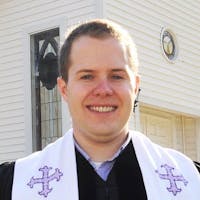
My degree has not only enhanced my knowledge of the Bible, theology, and Church history, it taught me how to engage my faith in a world that is full of different ideas, beliefs, and faith practices.
Daniel Commerford '08Current job: Senior Pastor, Bethany Presbyterian Church (Covington, Ga.)

A beautiful thing happened. The coaches, my professors, this incredible group of guys, the community aspect of Bethel transformed me.
Zac Bush '13Pastor of Community Life at Westwood Community Church
What can I do with a theology degree?
Students preparing for careers in business, education, nursing, or any career find that our majors and minors give them a solid foundation for serving God’s kingdom.
Careers
Biblical and theological studies graduates are:
- Pastors
- Teachers or professors
- Youth ministers
- Ministry leaders
- Chaplains
- Writers/editors
- Missionaries
- Camp counselors or directors
- Church planters
- Directors of Christian organizations
- Church administrators
- Journalists
- Relief workers
- Business leaders
- Community organizers
- Nonprofit directors
- Social workers
- Worship leaders
- Lawyers
- Urban ministry directors
Graduate Schools
Graduate schools or seminaries our alumni attend:
- Bethel Seminary
- Denver Seminary
- Duke Divinity School
- Fuller Theological Seminary
- Gordon-Conwell Theological Seminary
- McCormack Theological Seminary
- Princeton Theological Seminary
- Regent College, British Columbia
- Trinity Evangelical Divinity School
- University of Edinburgh
- University of Minnesota
- Vanderbilt University
- Yale Divinity School
- Wheaton College